
July 27th, 2026
A Record Number of Well Qualified Applicants Compete for the CCRA’s 2026 SGM Paul Cockman Scholarship
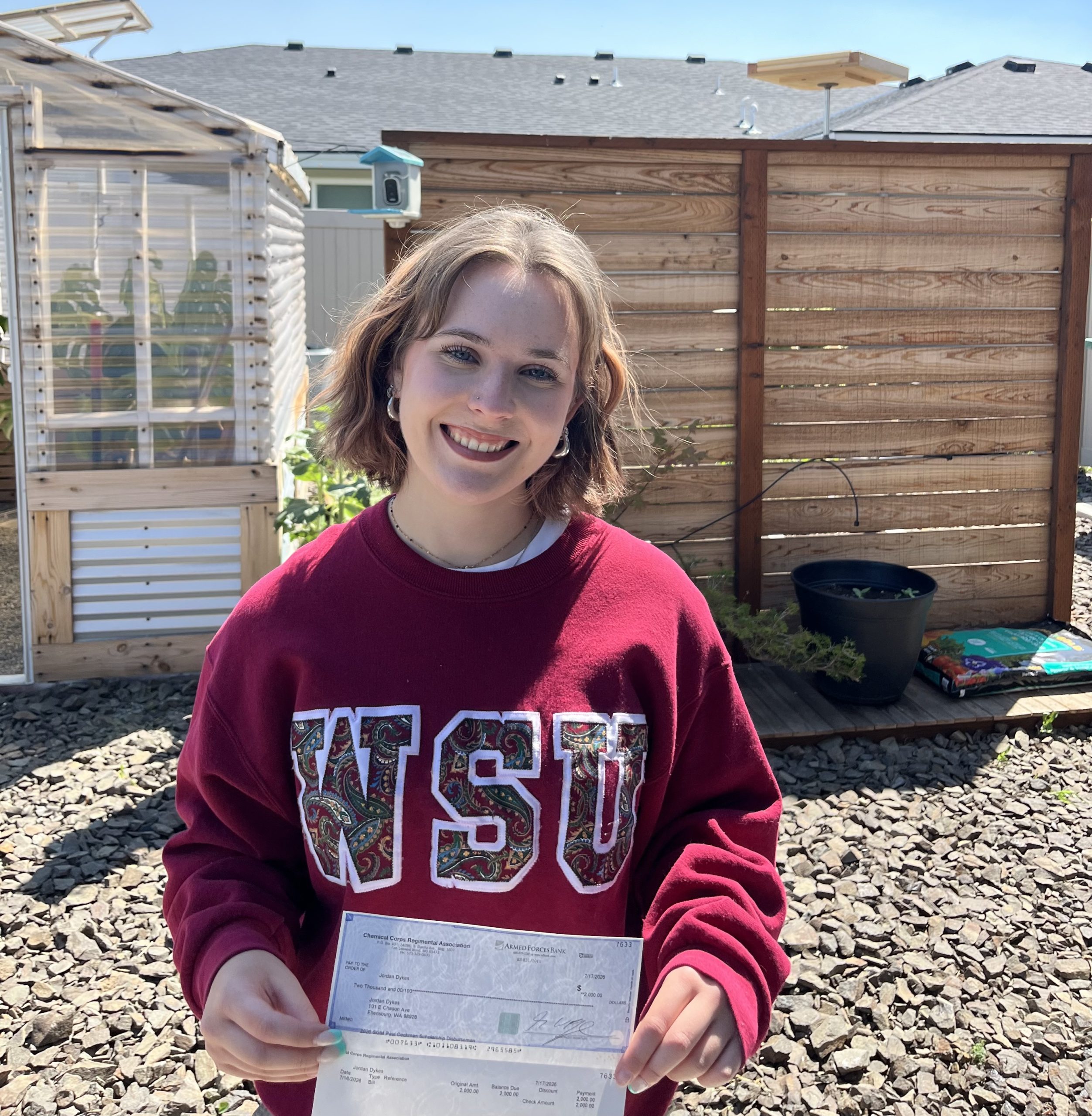
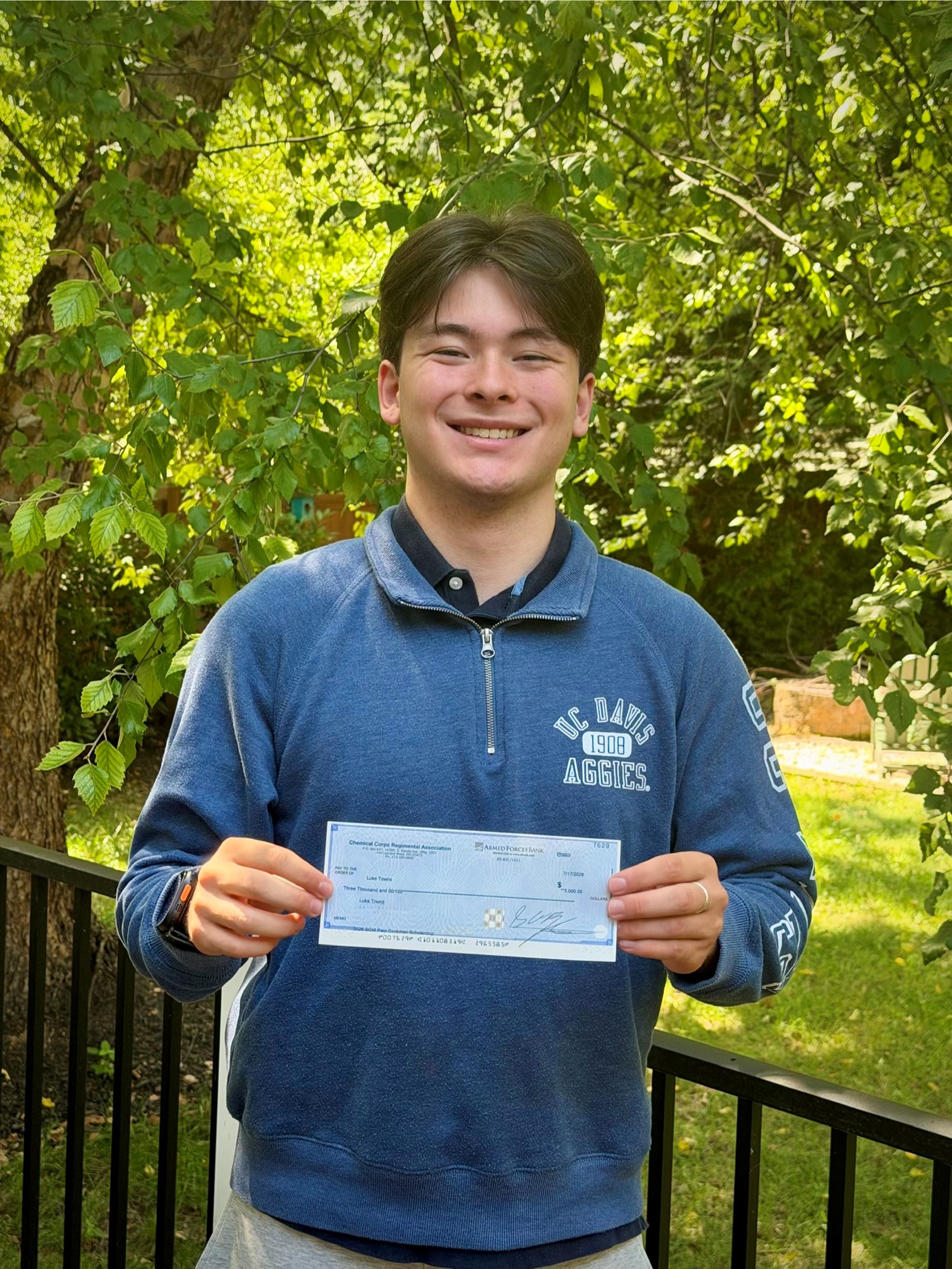
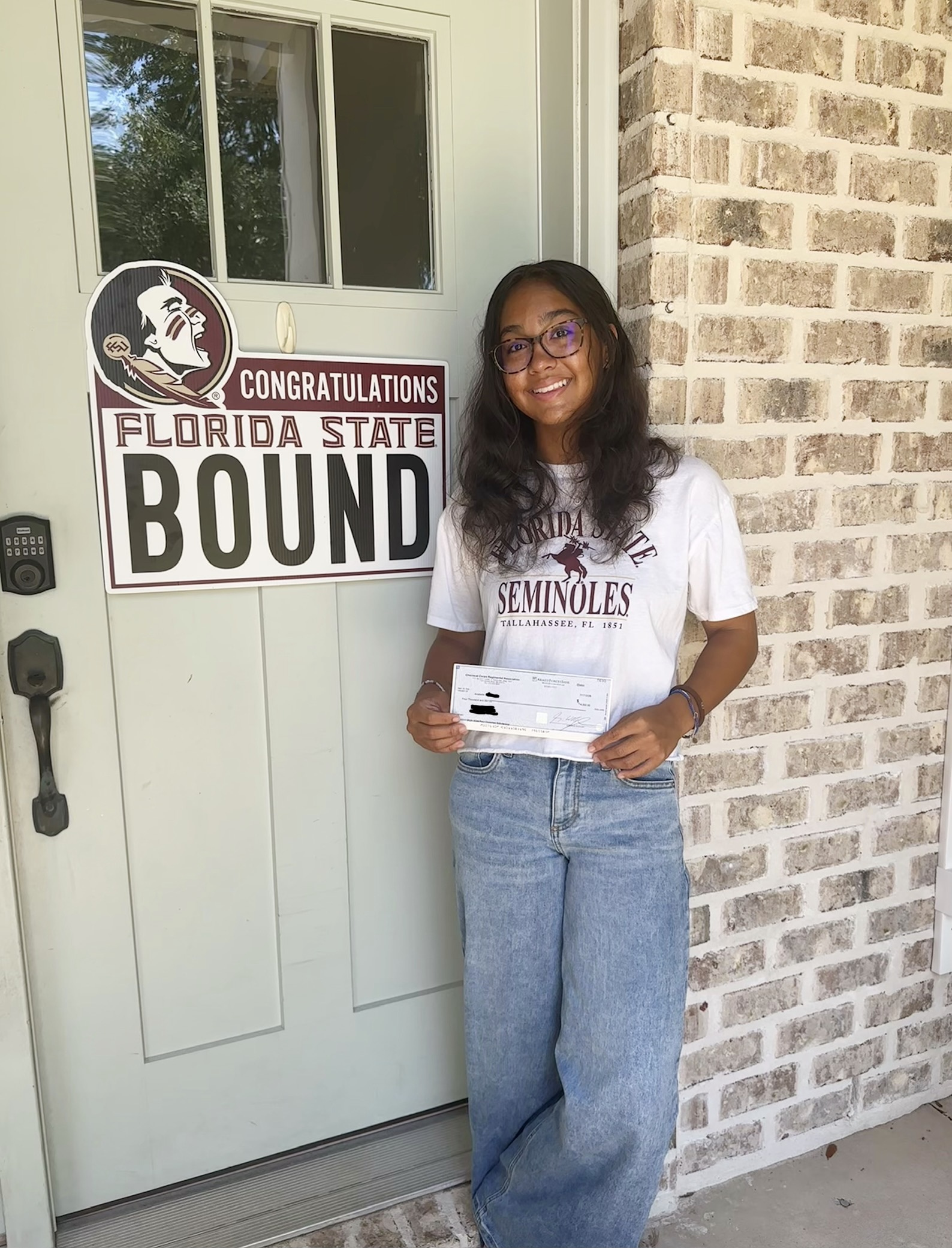
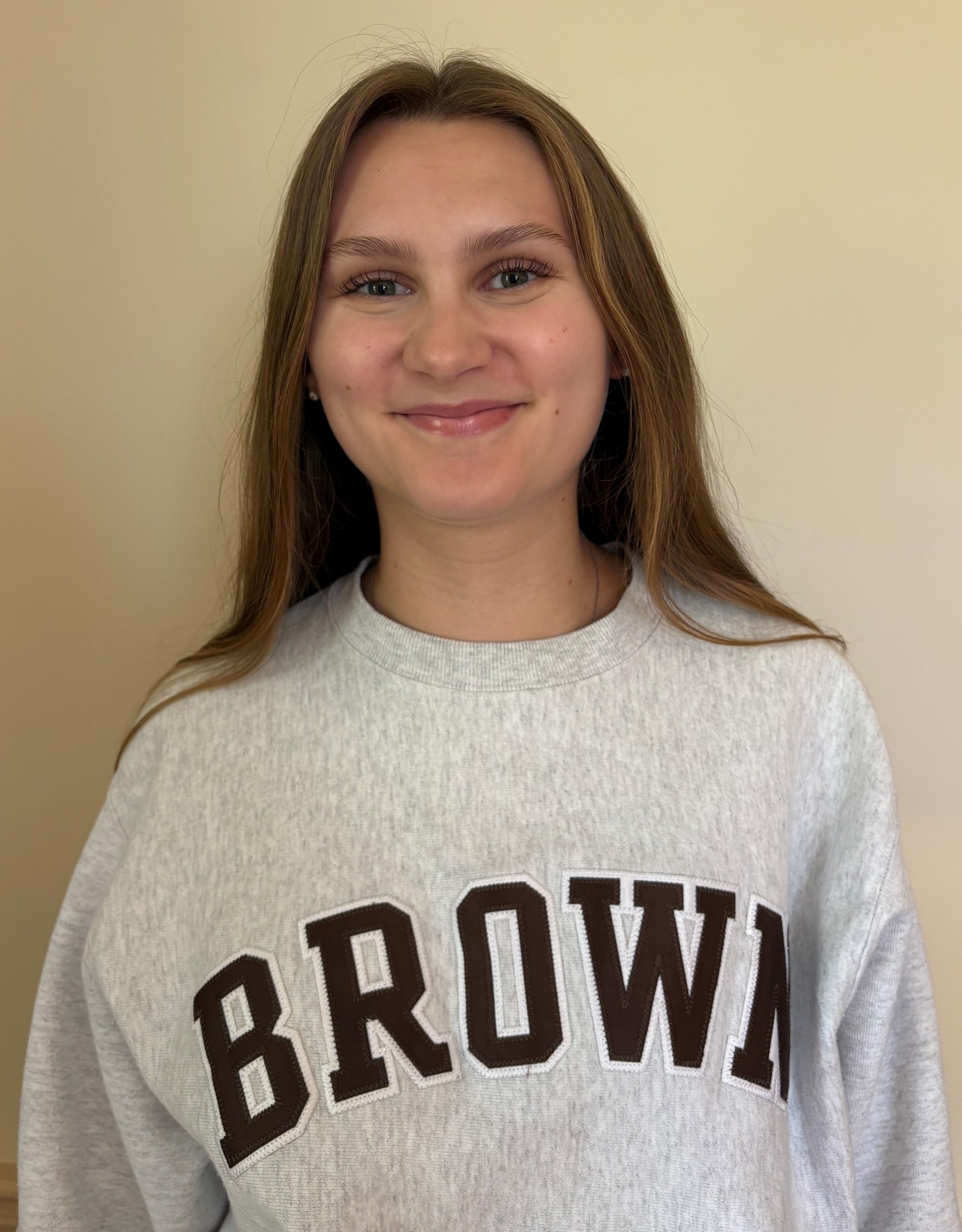
Congratulations to the CCRA’s 2026 SGM Paul Cockman Scholarship Awardees Winston Hoffman, Anabelle Calibuso, Tyler Kleinsasser, Luke Towns, Gabriel Eddins, Allyson Chombo, and Jordan Dykes. After weeks of deliberation, our scholarship committee made their final determinations which were unanimously approved by our Board of Directors. The competition for the scholarship this year was truly impressive. Nearly twice as many applicants applied this year from the previous year and all of our applicants truly put in some amazing work in their applications, academics, and community service.
Our Scholarship Committee deliberated for weeks in order to determine which applicants were the most deserving. In the end, These seven applicants were identified as having demonstrated the most potential academically and had put forth the greatest effort in regard to their submitted applications We truly appreciate all of the demonstrated hard work that our applicants put into their packets this year as well as the efforts they have demonstrated in their academic endeavors. We also appreciate our Board of Directors continued commitment to reinvesting back into our membership.
Some lessons learned and feedback from our scholarship committee for those interested in applying for our scholarship next year:
What Strong Applications Did Well
-
Essays were specific, on topic, and correctly formatted. The strongest essays named a concrete field of study or goal, tied it to a specific experience, and stayed within the required length and format, reading as written for that scholarship and school rather than repurposed from another application.
-
Recommendation letters came from people with direct, relevant, recent knowledge of the applicant. The rubric scores letters on specificity, relevance, endorsement strength, and the recommender’s credibility. The most effective letters came from teachers, professors, or supervisors who worked closely with the applicant and cited concrete examples. Letters with only warm, generic praise scored lower on specificity.
-
Volunteer records were complete and verifiable. Bonus points are based on hours and consistency. Dated, itemized logs with organization, role, dates, and total hours were easier to credit than vague entries.
-
Forms were complete, legible, and internally consistent. Every field filled in and transcripts matching the stated GPA and program left reviewers with no ambiguity.
Notable Mistakes to Avoid
-
Unproofread essays. Several contained typos, misspellings, or leftover draft artifacts, such as references to more than one school. These are easy to catch with a read-aloud pass or a second reader and directly affect the Writing Quality criterion.
-
Recommendation letters from relationships not relevant to the scholarship’s academic and service focus. Letters from personal acquaintances, hobby instructors, or family friends, however sincere, generally could not speak to academic performance, leadership, or service the way the rubric rewards.
-
A mismatch between a recommendation letter’s claims and the applicant’s own transcript or essay. In a few cases, a letter described sustained high achievement while the transcript or essay told a different story. Unexplained gaps undermine credibility.
-
Incomplete or unverifiable volunteer logs, with entries listing hours but no dates, or noting hours were not tracked.
-
Illegible handwriting or incomplete form fields, which created avoidable friction for reviewers.
-
Unnecessary disclosure of sensitive personal information, such as medical details or private contact information beyond what the prompt required.
Requirements vs. Recommendations
Requirements, per the application instructions and rubric: submit all requested materials (form, transcripts, letters, essay, volunteer log); follow the stated essay length and formatting rules; ensure signatures and dates are present.
Recommendations, correlated with stronger outcomes but not mandatory: choose recommenders with direct, recent, relevant contact with you; proofread all written materials at least twice; keep a running, dated volunteer log rather than reconstructing it at deadline time.
Final Submission Checklist
[ ] Essay within required length and format, addressed to one school, proofread by someone else
[ ] All form fields complete, legible, and signed and dated
[ ] Transcripts attached and consistent with GPA and program stated on the form
[ ] Recommendation letters from people with direct, relevant, recent knowledge of your work
[ ] Volunteer log includes activities, start and end dates, and total hours
[ ] No unnecessary sensitive personal, medical, or private contact details included
[ ] Application reviewed once more before submission
Good luck to all Class of 2027 applicants.
We wish all of this year’s applicants tremendous success during this academic year.